
The Wedding
CULTURE
What side of the internet are you on if you haven't heard of The Wedding...
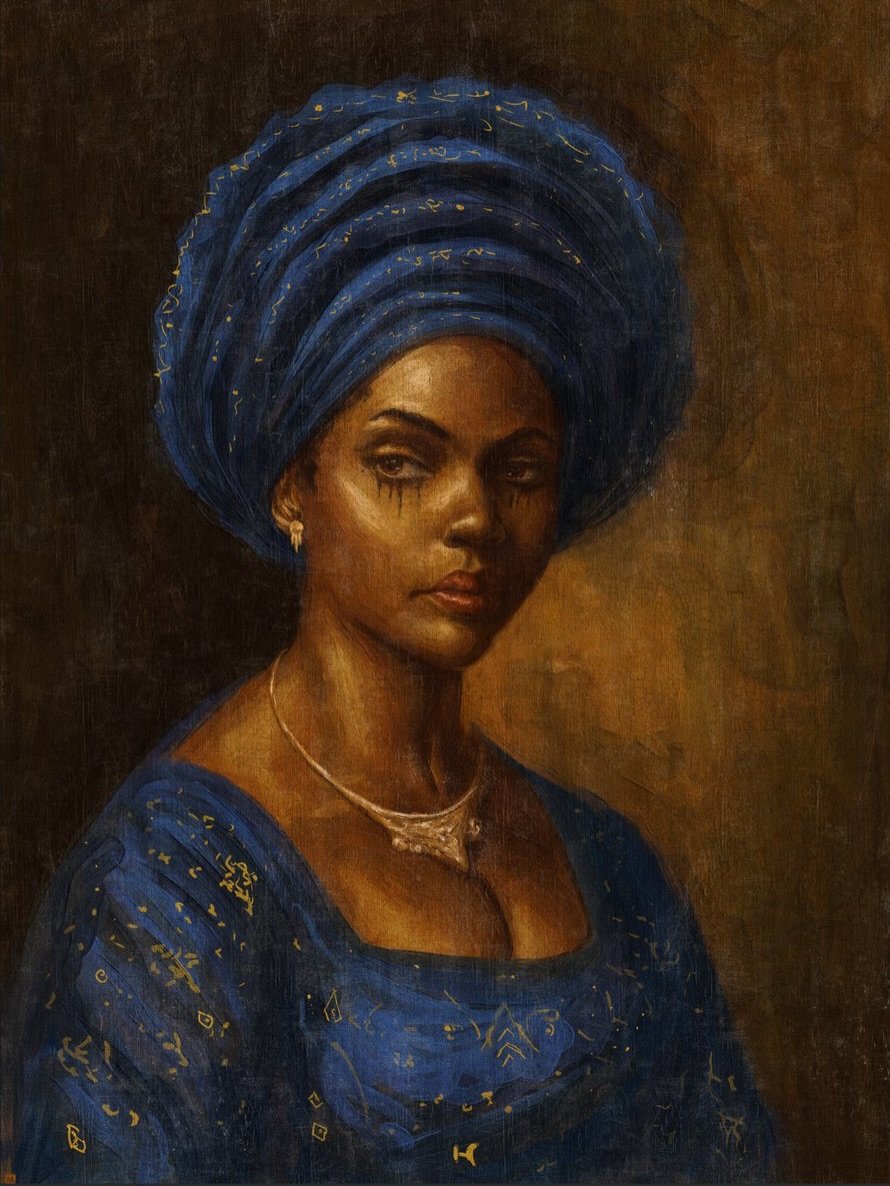
Anthony Azekwoh is a name that has been steadily carving its space on the Nigerian creative landscape. At just 25, the artist has developed a knack for capturing attention, not just through skill, but by creating work that resonates deeply with audiences. His latest series, The Wedding, is the perfect example of this talent in action.
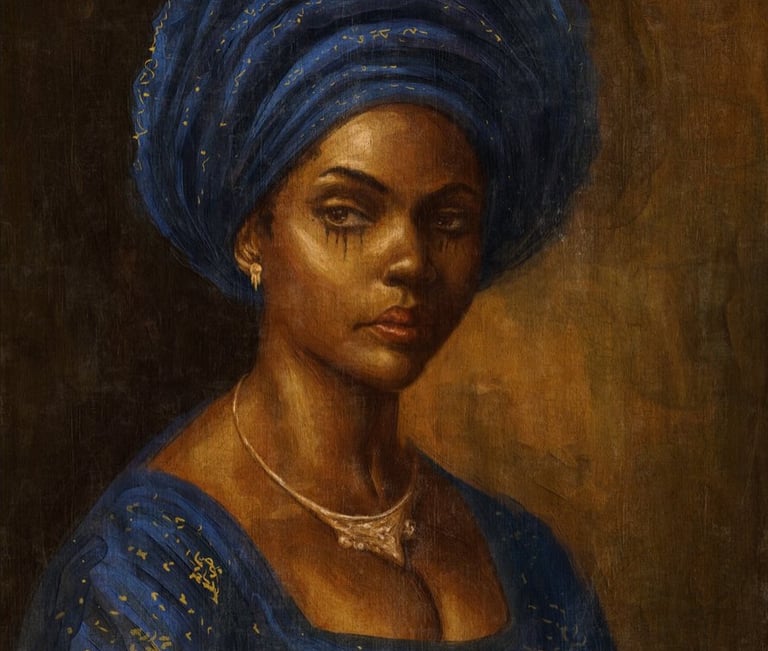
Since its debut on September 1, 2025, with the painting The Bridesmaid, The Wedding has taken over conversations across Nigerian Twitter. The series depicts familiar faces at Nigerian weddings, portraying characters whose expressions capture shock, delight, frustration, and amusement all at once.
Over the past few months, Anthony has introduced a variety of figures including The Latecomer, The Uninvited, The Aunty, The Best Man, and recently revealed additions such as The Bride’s Brother, The Groom’s Sister, The Bride’s Friend, The Groom’s Friend, The Bride’s Father, and the Groom himself. Social media has already dubbed this collection the “Azekwoh Wedding Cinematic Universe,” and anticipation now centers on the full exhibition opening on December 13, 2025.
On the surface, The Wedding is entertaining, and its popularity proves it. But the series is far more than a viral sensation—it is a vivid celebration of Nigerian and West African wedding culture. Anthony’s work taps into the same vibrant energy that has made films like Kemi Adetiba’s The Wedding Party, Namaste Wahala, and Isoken beloved across the continent.
Weddings in Nigeria are not just about the union of two people—they are performances where status, family pride, identity, and community all intersect. And with such grandeur comes inevitable tension. Anyone who has attended a Nigerian wedding knows the spectacle is rarely seamless: food distribution can turn into quiet disputes, ushers are often overwhelmed by insistence from guests, uninvited attendees slip into the crowd, and relatives navigate the delicate balance of protocol.
These moments, simultaneously chaotic and endearing, are what make Nigerian weddings so uniquely human—and Anthony captures that perfectly.
Each character in The Wedding is more than a figure; they are a window into the social instincts that define these celebrations. The series captures the humor, the tension, and the communal warmth that weddings bring, immortalizing a facet of Nigerian culture in a way that feels both timely and timeless.
By the time the series concludes, The Wedding is not just a clever character study or a social media sensation—it becomes a cultural document. Anthony Azekwoh’s work reminds us why telling stories rooted in our traditions matters. It reveals the layers of identity, performance, and humanity that underpin the events we often take for granted. The Wedding is a celebration, a reflection, and an invitation: a chance to witness Nigerian culture through the eyes of one of its most promising young artists.
Related Stories

© 2026 Voya Creative Ventures. All rights reserved
VOYA IS FOR EVERYONE BECAUSE EVERYONE HAS A STORY.
Voya Creative
Building a new operating system for Africa and it diaspora.